
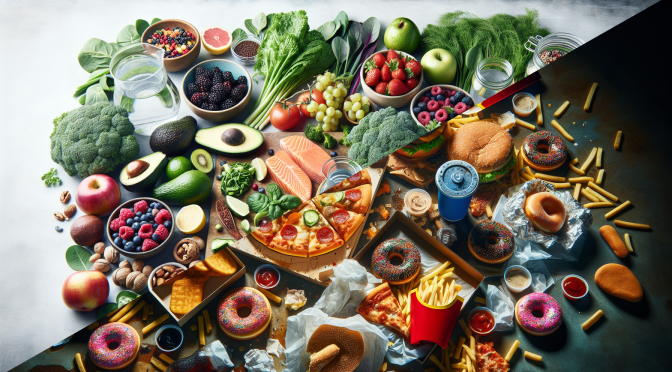
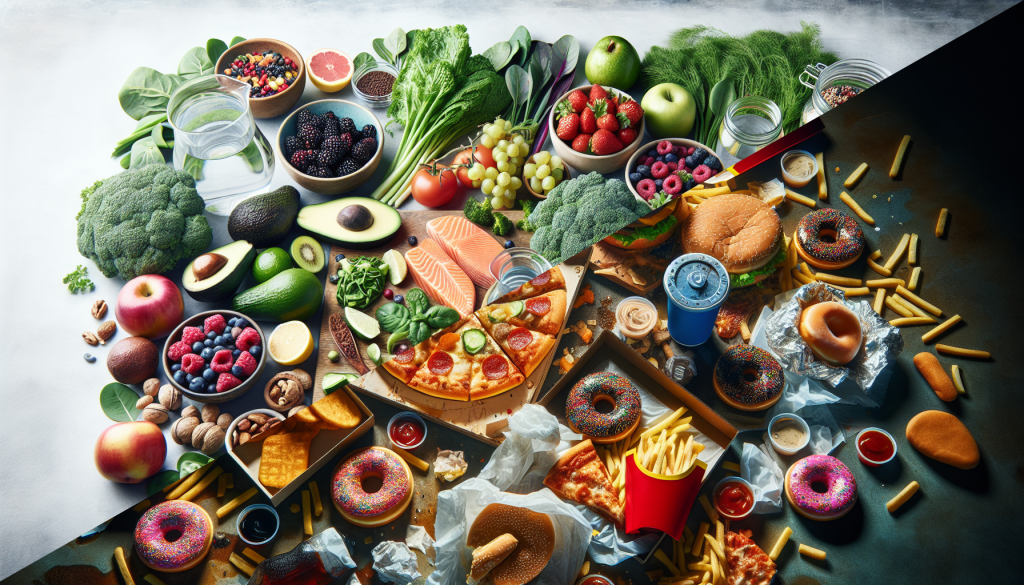
In the realm of nutrition and health, you may have come across the terms “clean eating” vs “dirty eating.” Clean eating emphasizes consuming organic whole foods in their natural or least processed state. This approach focuses on feeding your body with nutrient-dense foods. These include vegetables, fruits, whole grains, pulses, dairy, nuts, seeds, and high-quality proteins. Clean eating’s philosophy says these organic foods can lead to better health.
On the other end is dirty eating. It doesn’t prioritize food quality. It often includes processed foods with lots of added sugar and fat. Clean eating advocates for foods close to their original form. Dirty eating might involve choosing convenience and taste over nutrition. Dirty eating can also refer to a more relaxed approach within diets like the ketogenic diet. These diets permit high-carb days or processed items. But, they often lack the nutritional balance of whole foods.
Knowing the difference between clean and dirty eating can shape how you view food. It can help you make choices that align with your health goals. You might be trying to manage weight. Or, to improve health. Or, to address dietary needs. Recognizing the impact of processed versus whole foods is crucial. By doing so, you empower yourself to make informed decisions about the fuel you provide to your body.
Define Clean Eating And Dirty Eating
Clean eating, or healthy eating, refers to embracing whole foods like fruits, vegetables, whole grains, lean proteins, and healthy fats. You focus on clean foods that are minimally processed and free from artificial additives. Here are the basics:
- Whole Grains: Stick to unprocessed grains that retain their nutritional value.
- Processed Foods: Limit consumption, choosing items close to their natural state.
- Additives and Artificial Sweeteners: Avoid these as clean eating emphasizes natural ingredients.
- Sugar-Free: Prioritize natural sugars from fruits rather than added sugars.
Table summarizing dietary choices:
| Clean Eating Options | Dirty Eating Counterparts |
|---|---|
| Fresh fruits | Sugary snacks |
| Vegetables (raw/cooked) | Fried vegetables with excess salt |
| Whole grains, like brown rice | White bread or refined pastas |
| Lean proteins (chicken, fish) | Processed meats (bacon, sausage) |
| Healthy fats (avocado, nuts) | Trans fats and high saturated fats |
But, dirty eating often includes foods that are high in preservatives, fats, sugars, and sodium. The phrase is less formal. It refers to a diet of heavily processed foods with many additives.
- Benefits: You may find clean eating supportive for heart and brain health, weight management, and energy levels.
- Negative Effects: Dirty eating can lead to health issues such as increased risk of disease and poorer overall health.
Importance Of Making Informed Food Choices
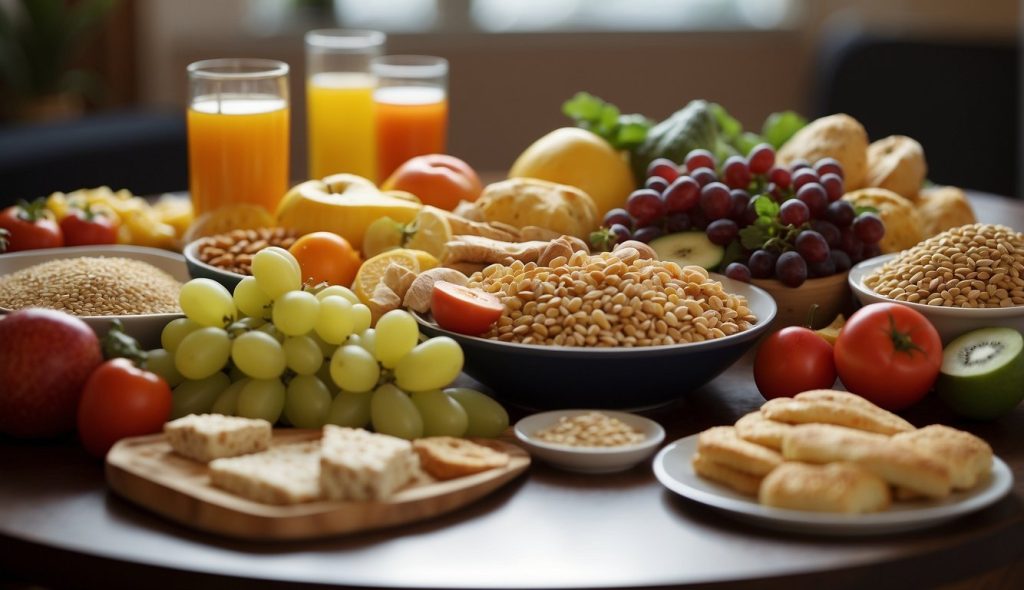
Making informed food choices is crucial for maintaining health and wellness. Choose high-quality items. They will have the nutrients your body needs, which will reduce nutrient deficiencies. This approach supports many health goals. These include weight loss, managing obesity, and preventing type 2 diabetes.
Be cautious of marketing tactics that may influence your food choices. Some marketing campaigns use celebrities. They make ‘clean eating’ seem better than it is. It’s important to critically evaluate these claims and understand that a balanced diet can include a variety of healthful foods.
Here’s a brief guide to help you make informed choices:
Nutrients to Focus On
- Fiber: for digestive health
- Proteins: for lean muscle repair and growth
- Vitamins and Minerals: for overall body functions
- Healthy Fats: for heart health and satiety
Foods to Be Mindful Of
- Highly Processed Foods: often high in calories and low in nutrients
- Sugary Snacks: can lead to energy spikes and crashes
- Excessive Sodium: can impact blood pressure
What Is Clean Eating?
In navigating the landscape of dietary choices, clean eating emphasizes simplicity and health. It’s about choosing real foods that promote optimal nutrition and well-being.
Definition Of Clean Eating
Clean eating revolves around selecting healthy foods in their most natural state. It avoids artificial additives, preservatives, and ingredients. It prefers options closer to what nature provides. The approach often aligns with organic and local sourcing. It ensures that what you consume contributes to your health and to sustainable practices.
Focus On Whole, Unprocessed Foods
- Fruits and Vegetables: Fresh, containing vitamins and minerals.
- Whole Grains: Include natural carbohydrates, full of fiber.
- Lean Proteins: Consider plant-based or responsibly-farmed animal sources.
- Healthy Fats: Opt for those found in nuts, seeds, and avocados.
- Legumes: Such as beans and lentils, providing protein and fiber.
The emphasis is on quality and minimally processed clean foods. This means picking fresh over packaged items. It also means cooking with ingredients that are identifiable and often found whole.
Benefits Of Clean Diets
Adopting a clean diets can bolster your health in several ways:
- Nutrition: You get a rich array of essential vitamins, minerals, and antioxidants.
- Weight Management: Whole foods are more satiating, helping with portion control.
- Heart Health: Balanced intake of fats and whole grains supports cardiovascular function.
- Immune System: Natural foods can boost your body’s defenses.
- Energy Levels: Steady supply of nutrients from unprocessed foods enhances energy.
What Is Dirty Eating?

In contrast to clean eating, dirty eating means a diet of highly processed foods. These foods are high in sugar and unhealthy fats. This approach to food intake could significantly impact your health.
Definition Of Dirty Eating
Dirty eating is a pattern of eating with a lot of ultra-processed foods. These foods are full of additives and artificial sweeteners. These foods often contain little to no nutritional value and are far removed from their natural state.
Emphasis On Processed, High-Fat, High-Sugar Foods
With dirty eating, you often consume foods high in saturated and trans fats. These fats are common in fried foods, pastries, and other processed snack foods. High sugar content is another hallmark of these diets, frequently present in sodas, candies, and desserts. This low dietary restriction eating pattern tends to be low in essential nutrients and high in calories.
Negative Effects Of A Dirty Eating Diet
Eating a diet rich in processed, high-fat, and high-sugar foods can lead to many health issues. These include obesity, disruptions in metabolism, and imbalanced insulin and blood sugar levels. Eating such foods often raises your potential risk for chronic diseases. It can also harm your health.
Nutritious Foods Vs Junk Foods
The choices you make at the dining table resonate with your health and lifestyle. Here’s how to distinguish between what fuels your body and what depletes it.
Differentiating Between Nutritious And Junk Foods
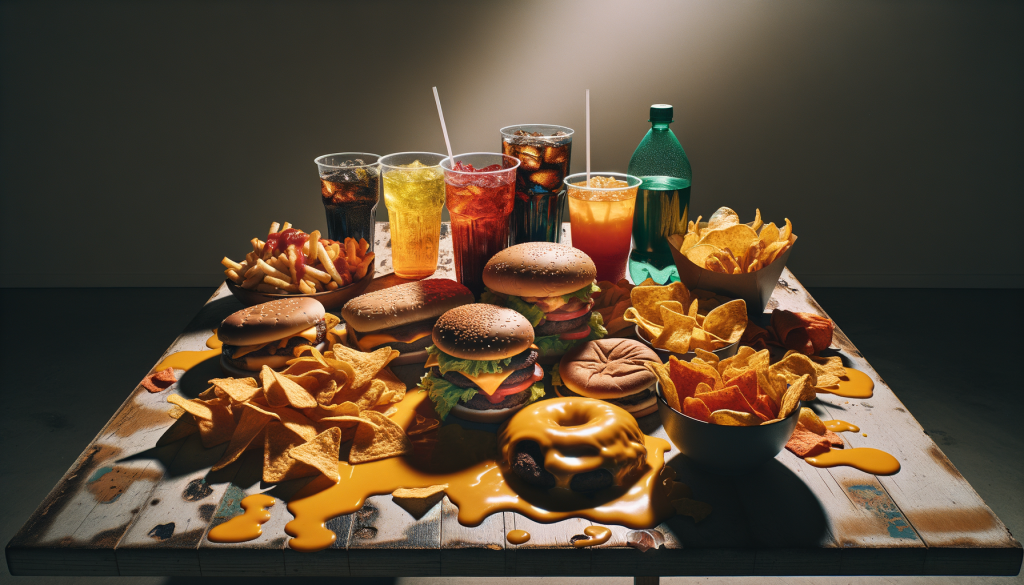
Nutritious foods typically include:
- Whole Foods: like fruits, vegetables, and grains that are not processed.
- Vegetables and Fruits: diverse types offering essential vitamins, minerals, and fiber.
- Whole Grains: such as brown rice, quinoa, and whole wheat that provide your body with sustained energy.
On the contrary, junk foods are often:
- Processed Foods: Food products typically have reduced nutritional value and are often enhanced with additives.
- Added Sugars: a common feature in junk food that contributes to empty calories and potential weight gain.
- Ketosis Disruption: as junk foods high in carbohydrates can interrupt a ketogenic state meant to burn body fat for energy.
Impact On Overall Health And Well-Being
Eating a healthy type of diet with ample nutritious foods supports:
- Weight Regulation: by balancing calorie intake with the body’s needs.
- Reduced Risk of Chronic Diseases: This is because of a diet that is rich in many kinds of food and low in processed foods and sugars. Such a diet can cause type 2 diabetes and some cancers.
Conversely, a diet high in junk foods can lead to:
- Weight Gain: as it’s easy to consume extra calories from highly palatable, processed foods.
- Health Complications: including a higher potential risk for type 2 diabetes and cancer from frequent consumption of foods with high additives and sugar content.
The Role Of Organic Produce
Farmers grow organic produce using specific practices. These practices aim to minimize harm to the environment. Organic certification implies adherence to a set of agrarian standards. These standards typically ban or tightly limit synthetic pesticides. They also limit non-GMOs. They ensure a more natural growth cycle for the produce.
Organic farmers strive for sustainability, often implementing crop rotation and other soil-preserving techniques. This practice promotes the land’s long-term health. It can also lead to produce that some consumers believe is tastier and higher quality.
Local organic produce can further enhance these benefits. Getting your fruits and vegetables from local organic farms cuts the carbon footprint from transport. It also supports your regional economy.
Additionally, organic certifications cover animal products. Grass-fed and free-range are terms that refer to animal welfare and feed quality. For instance, organic eggs come from hens given access to the outdoors. They are also fed with organic feed, which is free of synthetic pesticides and GMOs. Grass-fed animals graze on pesticide-free pastures. This makes the resulting dairy or meat products align with clean eating.
Here’s a breakdown of terms commonly associated with organic produce:
- Organic: At least 95% organically produced ingredients
- Grass-fed: Animals receive the majority of nutrients from grass throughout their life
- Free-range: Animals have access to the outdoors
- Local: Produce that is grown and harvested within a close distance to your geographic region
Organic produce has benefits. But, it usually costs more and may not be available everywhere.
Clean Eating vs. Dirty Eating: Frequently Asked Questions
Q: What are examples of clean eating?
A: Clean eating includes whole foods. These foods include fruits and vegetables. They also include lean proteins, like chicken and fish. And whole grains, like quinoa and brown rice, nuts, seeds, and legumes. These foods are minimally processed and full of vital nutrients. They are great choices for supporting health and well-being. Incorporating these foods into your diet can help you maintain a balanced and nutritious eating plan.
Q: Are eggs part of clean eating?
A: Yes, clean eating includes eggs. They are a natural and unprocessed source of high-quality protein, vitamins, and minerals. Eggs can be nutritious in a balanced diet. They are a good addition to clean eating, providing key nutrients for health.
Q: What 10 days of clean eating actually does to your body composition?
A: Ten days of clean eating can have several positive effects on your body composition. It can lead to increased energy levels, improved digestion, better focus, and mental clarity. Clean eating can also reduce bloating, support weight management, and contribute to clearer skin. Additionally, it can help regulate blood sugar levels and reduce inflammation in the body. Overall, a 10-day clean eating plan can start healthy habits. It can reset your palate to like natural flavors. And, it can set the basis for lasting positive healthy diet changes.
Q: Is pasta clean eating?
A: While pasta can be part of a balanced diet, it is not typically considered a primary component of clean eating. People often make traditional pasta from refined flour. This means they have processed it and stripped it of some nutrients. But, you can consider whole grain or legume-based pasta. They are cleaner because they have more fiber and nutrients. When consumed in moderation and as part of a well-rounded meal, these alternatives can align with a clean eating approach.
Q: What foods to avoid when eating clean?
A: When eating cleanly, it’s best to avoid:
- Highly processed foods
- Sugary snacks and drinks
- Refined grains
- Artificial additives
- Too much sodium and trans fats.
This means avoiding items like fast food, sugary cereals, and processed snacks. Also sugary drinks, white bread, and foods with long lists of artificial ingredients and preservatives. Also, eating less fried foods and high-fat, high-sugar desserts can also help. Focus on whole, nutrient-dense foods. Minimize heavily processed, low-nutrient options. This way, you can align your diet with clean eating principles.