

When embarking on a muscle-building journey, understanding the role of diet in bulking is critical. Bulking involves increasing your caloric intake to create a surplus, which, when coupled with strength training, can lead to gains in muscle mass and strength. The quality of the calories consumed during this phase is just as important as the quantity. To effectively build muscle, your body needs the right kinds of nutrients that support muscle repair, recovery, and growth, prioritizing meals that pack a significant nutritional punch in your bulking foods list.
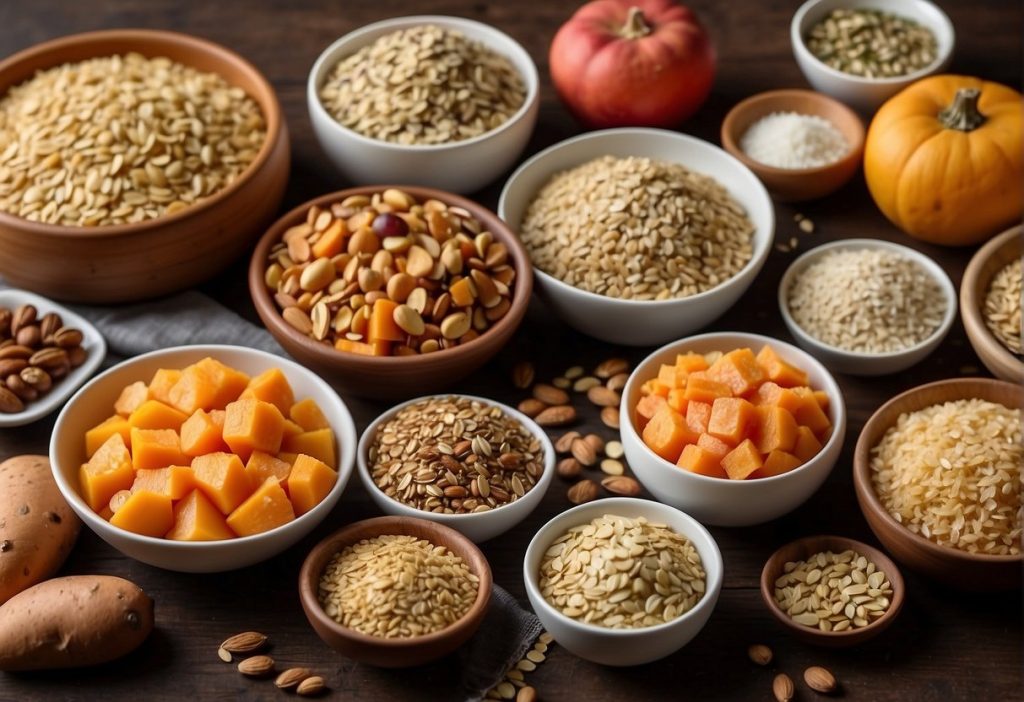
One of the key components of a bulking foods list, is protein. Proteins are the building blocks of muscle and are essential for repair and growth. High-quality protein content sources not only provide the essential amino acids your body needs to construct new muscle tissue but also help to ensure that you are gaining lean mass rather than just adding body fat. Furthermore, incorporating a variety of protein sources, such as lean meats, dairy, and legumes, helps to maintain a balanced nutrient intake and supports overall health.
Key Takeaways
- A successful bulking foods list requires a calorie surplus with a focus on nutritional quality for muscle gain.
- Including a variety of high-quality sources is crucial for muscle repair and growth.
- Consuming many protein-rich foods is essential for optimal muscle development, as they contain the necessary amino acids.
Definition of Bulking and Its Purpose in Muscle Growth
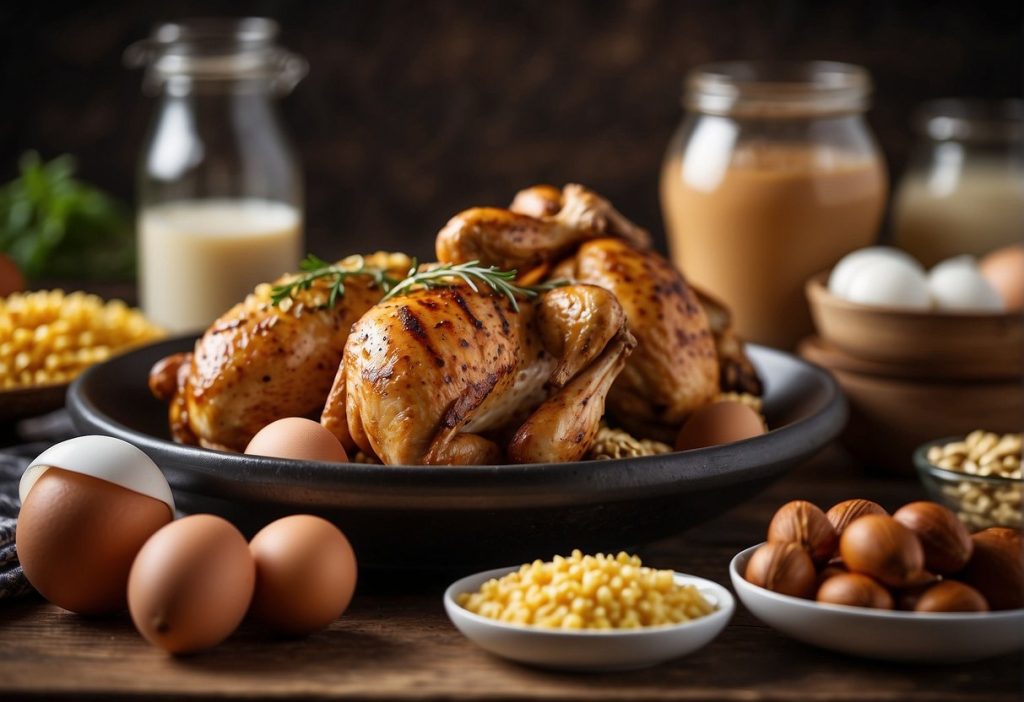
Bulking is a term commonly used in fitness and bodybuilding. It describes a period where you intentionally consume more calories than your body needs for maintenance with the purpose of gaining weight and, more specifically, building muscle mass. You can achieve this by following a bulking diet, which focuses on consuming more calories to give your body the energy and nutrients needed to support increased muscle growth during strength training.
While in a bulking phase, it’s essential to monitor your daily calorie intake carefully. An effective bulking diet should be:
- Rich in lean proteins: Vital for muscle repair and growth.
- Sufficient in carbohydrates: To fuel your workouts and replenish glycogen stores.
- Balanced with fats: Important for hormone production and overall health.
Here’s a simple representation:
| Nutrient | Purpose |
|---|---|
| Protein | Muscles repair and growth |
| Carbohydrates | Energy for workouts and recovery |
| Fats | Supports hormone function and health |
Your muscle growth during a bulk is not just about how many extra calories you consume, but the quality of those calories. Prioritize nutrient-dense foods to get the most benefit. By maintaining a structured regular exercise routine, the weight gain experienced during bulking can contribute to increased lean muscle mass and strength, rather than just adding body fat. Remember, gradual increase in caloric intake coupled with resistance training is key to a successful bulk.
Remember, your body needs this surplus to facilitate the growth process, but it’s a delicate balance. Too many excess calories could lead to excessive fat gain, and too few might not support optimal muscle development.
Importance of Protein in Your Bulking Foods List

Protein is a pivotal macronutrient in your bulking diet, directly influencing muscle synthesis. Your protein intake must be adequate to support your nutrition goals during this phase.
Role of Protein in Muscle Repair and Growth
When you engage in strength training or resistance exercises, your muscle fibers undergo stress, resulting in microscopic tears. Protein is essential because it supplies your body with amino acids, which are the building blocks needed for muscle repair and the synthesis of new muscle tissue. Consuming adequate protein ensures your muscles recover properly and grow stronger, preparing them for future workouts.
Recommended Daily Protein Intake for Bulking
Your daily protein intake for bulking should reflect your specific needs and effort level. The general guideline for individuals actively engaging in strength training is to consume between 1.6-2.2 grams of protein per kilogram of body weight daily. For example:
- Light exercise routine: 1.6 g/kg
- Moderate exercise routine: 1.8 g/kg
- Intense exercise routine: 2.0-2.2 g/kg
It’s important to distribute your protein intake evenly throughout the day and include a source of protein in every meal, ideally incorporating a wide variety from animal and plant-based sources to cover all essential amino acids. Tracking your macronutrients, including protein, can be beneficial in maintaining the right balance in your nutrition for optimal bulking results.
High-Quality Protein Sources in Your Bulking Foods List
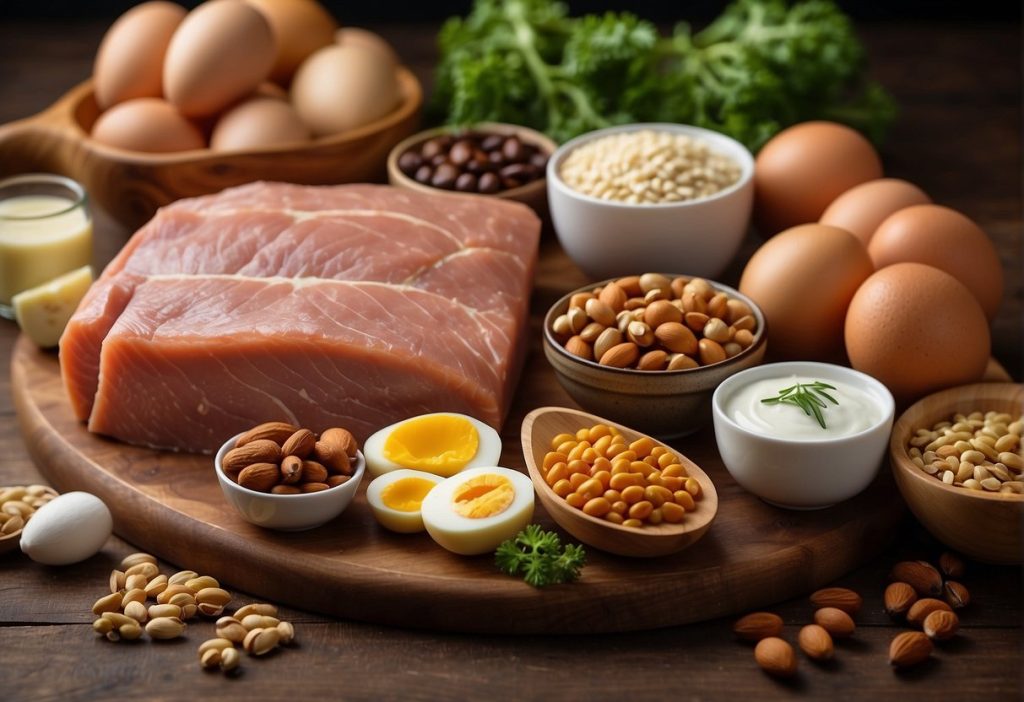
Incorporating high-quality proteins into your diet is essential for muscle growth and repair. These sources of protein are rich in essential amino acids and can greatly support your bulking efforts.
Lean Meats Such as Chicken Breast and Turkey
Chicken Breast: A 3-ounce serving of cooked chicken breast contains about 26 grams of protein. It’s an excellent source of lean protein that helps you build muscle without extra fat.
Turkey: Similar to chicken, turkey provides a high protein with minimal fat content. A typical serving size of turkey breast might have around 24 grams of protein.
Fish Options Like Salmon and Tuna
Salmon: Not only is salmon packed with about 22 grams of protein per 3-ounce serving, but it also provides omega-3 fatty acids beneficial to heart health.
Tuna: Offering nearly 25 grams of protein in a 3-ounce serving, tuna is another fantastic option for high-quality protein. It’s also low in fat, making it suitable for lean bulking.
Plant-Based Proteins Such as Tofu, Tempeh, and Seitan
Tofu: With approximately 8 grams of protein per 3.5 ounces, tofu is a versatile plant-based protein used in a variety of dishes.
Tempeh: More dense than tofu, tempeh provides around 18 grams of protein per 3.5-ounce serving.
Seitan: Often known as wheat-meat, every 3-ounce serving of seitan contains about 21 grams of protein, making it a high-protein option for vegetarians and vegans.
Essential Amino Acids for Muscle Development

Your muscles require essential amino acids to grow and repair. These amino acids must come from your diet, as your body cannot produce them.
Understanding the Importance of Essential Amino Acids
Essential amino acids are the building blocks of protein that your body cannot synthesize on its own. They are crucial for muscle development, as they help to repair muscle tissue and support the growth of new muscle. There are nine essential amino acids that you must obtain through your diet.
The nine essential amino acids include:
- Histidine
- Isoleucine
- Leucine
- Lysine
- Methionine
- Phenylalanine
- Threonine
- Tryptophan
- Valine
Each plays a specific role in muscle function and development. For example, we know that leucine plays a role in protein synthesis and muscle repair.
Complete Protein Sources That Provide All Essential Amino Acids
To ensure you’re getting all nine essential amino acids, focus on including complete protein sources in your diet. Complete proteins contain ample amounts of each essential amino acid.
Some complete protein sources are:
- Animal-Based Proteins: Meat, fish, dairy products, and eggs are rich in essential amino acids.
- Plant-Based Proteins:
- Quinoa: A versatile grain that serves as a complete protein source.
- Legumes: Such as beans, lentils, and chickpeas, often combined with grains to make a complete protein.
- Nuts and Seeds: While individually they might not be complete proteins, when paired with legumes, they can provide all essential amino acids.
By incorporating a variety of these nutritious foods into your meals, you can meet your dietary protein needs for optimal muscle development.
Incorporating Nut Butters Into Your Bulking Meal Plan
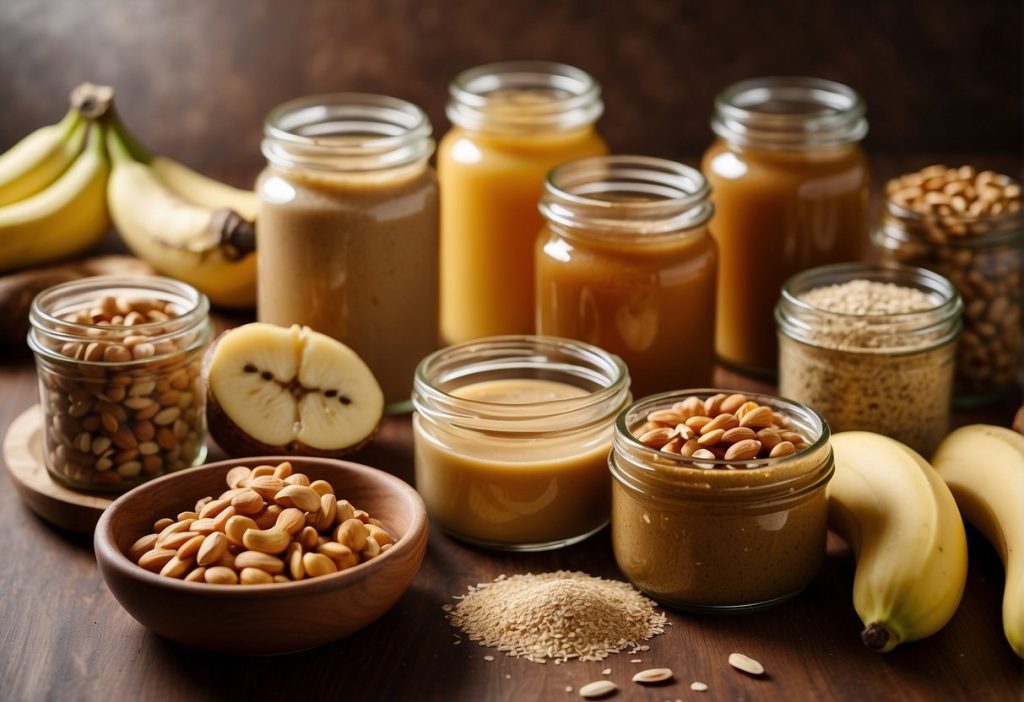
When striving to increase muscle mass, nut butters provide a convenient and rich source of calories, healthy fats, and protein essential to your bulking regimen.
Peanut Butter as a Calorie-Dense Option Rich in Healthy Fats, Protein, and Fiber
Peanut butter is a staple in bulking diets due to its high caloric content, contributing to the surplus needed for muscle growth. It’s loaded with healthy fats, which are crucial for hormone production and joint health. With 7 grams of protein per two-tablespoon serving, it also aids in muscle repair and recovery. Additionally, peanut butter contains dietary fiber, which promotes satiety and digestive health.
Here’s a quick breakdown of peanut butter’s nutritional content per two-tablespoon serving:
- Calories: 188 kcal
- Fat: 16 g
- Protein: 7 g
- Fiber: 2 g
Other Nut Butter Alternatives Like Almond or Cashew Butter
While peanut butter is the most common choice, other nut butters like almond or cashew butter can offer variety and additional nutritional benefits. Almond butter, for example, is higher in vitamin E, magnesium, and calcium. Cashew butter is a good alternative with a creamier texture and slightly different micronutrient profile, including essential vitamins and minerals.
Here’s a nutritional comparison to help you decide:
| Nut Butter | Calories per 2 Tb | Fat | Protein | Key Nutrients |
|---|---|---|---|---|
| Peanut | 188 kcal | 16g | 7g | Vitamin E, B6 |
| Almond | 196 kcal | 18g | 6g | Magnesium, Vitamin E, Calcium |
| Cashew | 187 kcal | 15g | 5g | Iron, Magnesium, Vitamin K |
Incorporate these butters by adding them to shakes, spreading on whole-grain bread, or simply enjoying a spoonful as a snack to boost your calorie and healthy fat intake.
Utilizing Protein Powder for Additional Protein Intake

When you’re in a bulking phase, your body requires more protein to support muscle growth and repair. Protein powders are a convenient way to increase your protein intake. Whey protein powder, as well as, casein, and plant-based like pea or brown rice protein are popular options. Here’s how you can integrate them into your diet:
- Post-Workout Shake: Mix protein powder with water or milk directly after your workout to aid muscle recovery.
- Meal Replacement: Blend protein powder with fruits, greens, and an excellent source of healthy fats for a balanced meal.
- Snacks: Prepare high-protein snacks like protein bars or pancakes to consume throughout the day.
Example Protein Shake Recipe:
- 1 scoop of your chosen protein powder
- 1 cup of almond milk
- ½ banana
- 1 tablespoon of almond butter
- A handful of spinach
- Ice cubes (optional)
Remember, the quality of the protein powder matters. Look for powders that are low in added sugars and artificial additives. Review the serving size and adjust according to your specific dietary needs—typically one scoop (approximately 20-30 grams of protein) is sufficient per serving.
Lastly, while protein powders are convenient, ensure you also get protein from whole food sources like chicken, fish, legumes, and dairy for a well-rounded diet.
Bulking Foods List: Frequently Asked Questions
Q: What foods are best for bulking?
A: When it comes to a bulking foods list, focus on healthy foods that are high in protein, healthy fats, and complex carbohydrates. Good choices include lean meats like chicken and turkey, eggs, Greek yogurt, nuts, avocados, sweet potatoes, quinoa, and whole grain bread. These foods will provide the nutrients and the source of energy you need to support muscle growth and recovery.
Q: How can I bulk fast?
A: To bulk up quickly, focus on consuming a calorie surplus while engaging in a structured strength training program. Make sure to include plenty of protein in your diet to support muscle growth and repair. Additionally, prioritize compound exercises such as squats, deadlifts, and bench presses to target multiple muscle groups at once. Approach the rapid bulking phase cautiously, being patient and consistent, and ensuring that you do it in a healthy and sustainable manner.
Q: How can a skinny guy bulk up?
A: To bulk up as a skinny guy, focus on consuming a calorie surplus while engaging in a structured strength training program. Aim to eat nutrient-dense, high-calorie foods, with an emphasis on protein, healthy fats, and complex carbs. Incorporate compound exercises into your workout routine, and ensure you are getting adequate rest and recovery. Consistency is key, so stick to your nutrition and training plan to see progress over time.
Q: Is peanut butter good for a bulk?
A: Absolutely! Peanut butter is a great addition to a bulking diet. It’s high in healthy fats and protein, making it a calorie-dense food that can support your fitness goals. Just be mindful of portion sizes, as it is calorie-dense, and opt for natural peanut butter without added sugars or hydrogenated oils for the best nutritional benefits.
Q: What are the big 5 bulking?
A: The “Big 5” for bulking typically refer to foundational compound exercises: squats, deadlifts, bench presses, overhead presses, and pull-ups (or bent-over rows). These exercises target multiple muscle groups and are key components of a comprehensive strength training program aimed at building muscle mass. Incorporating these exercises into your workout routine can help support your bulking goals.